


Back to Home

Disclaimer: Sponsored Content • Affiliate Disclosure • Educational information only (not medical advice) • Results vary

Vision Changes Don’t Always Start With Age — They Often Begin Quietly (Before You Notice)

Researchers are exploring how long-term inflammation and circulation stress may affect visual comfort over time — often before obvious changes are noticed

Everyone thinks vision loss is caused by old age, bad genetics, or spending too much time in front of screens.

But researchers now agree those are late-stage outcomes, not the real cause.

Long before glasses feel less helpful or night driving feels more challenging, a silent inflammatory process begins damaging the eye from the inside — slowly shutting down its natural ability to repair itself.

While studying this inflammatory damage, researchers noticed something unexpected

But researchers now agree those are late-stage outcomes, not the real cause.

Certain traditional foods — including a vivid red root long used in old Japanese rituals — appeared repeatedly in populations with remarkably low rates of vision decline. Not because they “fix vision”… but because they seemed to interact with inflammation and microcirculation in a unique way.

If night driving has started to feel harder — especially with glare — you’re not alone.

These experiences are common — and many people quietly deal with them.

It’s not “just aging.” And it’s not carelessness. Researchers now believe it’s the result of a low-grade inflammatory stress response that may affect micro-circulation and day-to-day visual comfort over time.

What Researchers Began Noticing in Retinal Studies

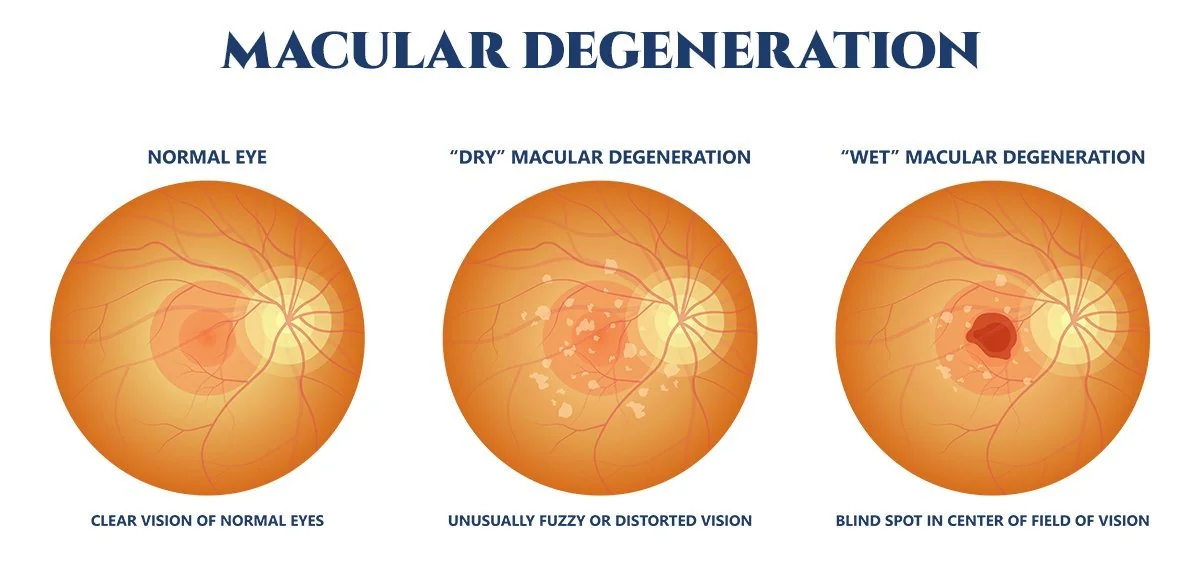
While investigating age-related macular degeneration, researchers began noticing something unexpected.

Long before advanced symptoms appeared, many patients showed signs of reduced blood flow and chronic inflammatory stress affecting the retina — the part of the eye responsible for sharp, central vision.

What stood out wasn’t just the condition itself, but how early these changes seemed to begin — often years before people experienced obvious vision loss. This raised an important question: could the same silent processes linked to macular degeneration be quietly affecting vision long before a diagnosis is ever made?

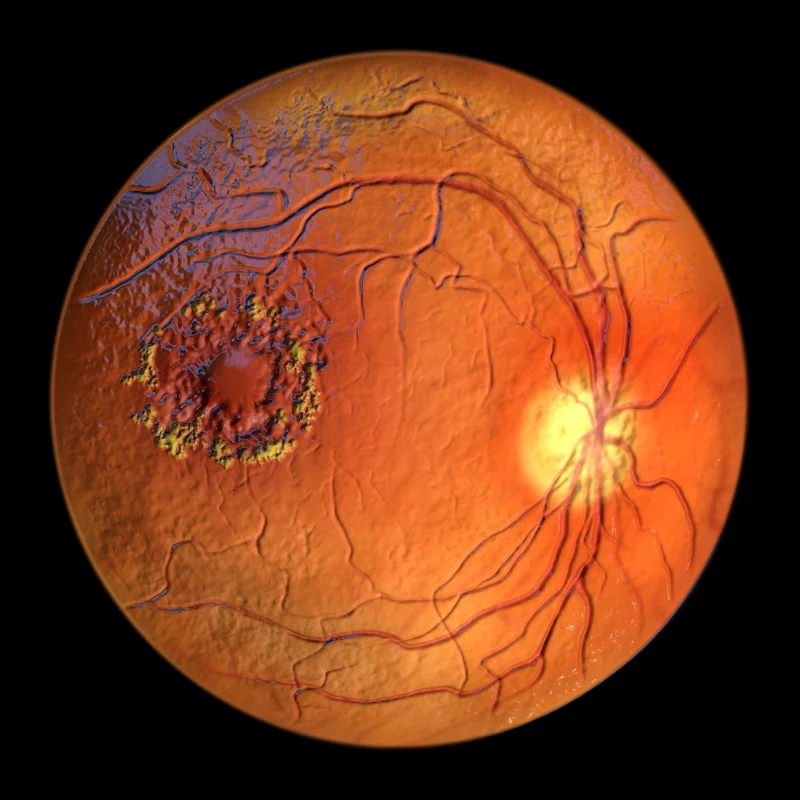
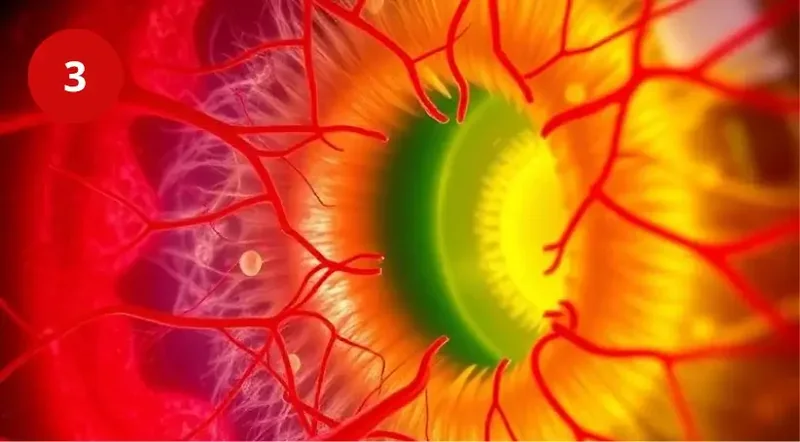
Illustration commonly used in retinal research.

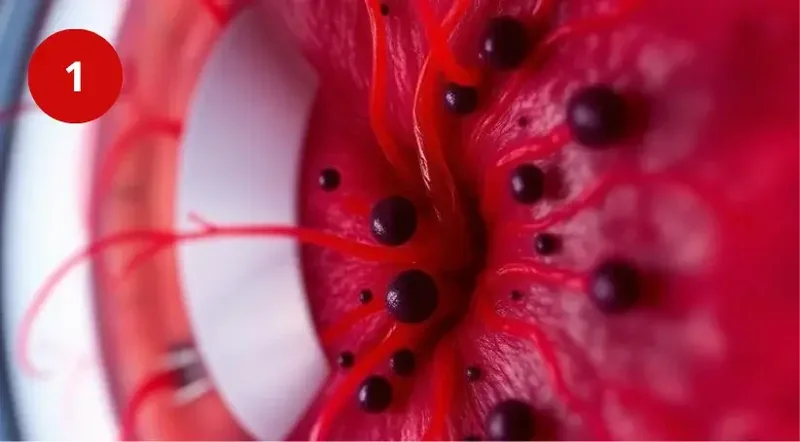
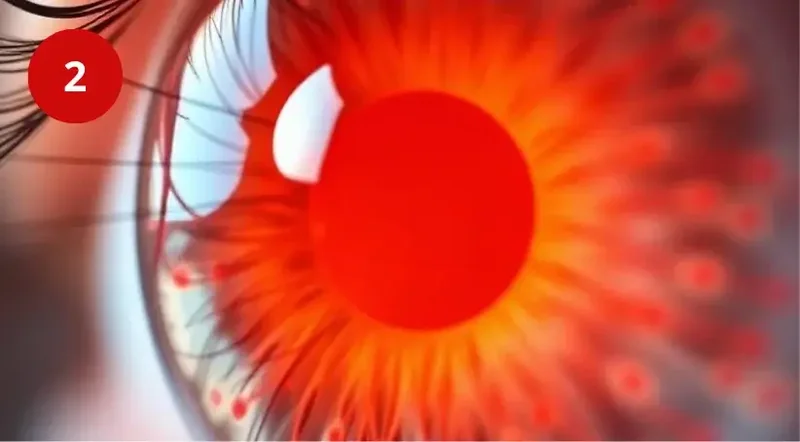
Illustration of how chronic inflammation may disrupt blood flow inside the eye over time.

Some researchers compare chronic inflammation to an ‘alarm’ that stays active. Over time, it may affect small vessels and oxygen delivery — which is why early awareness matters.

Do Any of These Feel Familiar?

If you checked even one of these, it doesn’t automatically mean something is “wrong” — but it may suggest your eyes are under stress from a silent process most people don’t feel at first.

The good news is that understanding what’s happening early can change how you respond next.

The Pattern Researchers Are Watching — And the Simple Daily Ritual People Are Trying

Researchers are studying several contributors to why vision can feel less clear over time — including inflammation, micro-circulation, and metabolic stress.

This short presentation sharesthe research angle behind it — plus a traditional Japanese-inspired routine some people use to support visual comfort (results vary).

STEP 1 — Early Signals

Vision comfort can fluctuate: glare, contrast,
and focus may feel less consistent.

STEP 2 — Daily Support

Some people add a simple routine designed to support circulation and day-to-day comfort (results vary).

STEP 3 — Consistency

Over a few weeks, some report steadier contrast and less evening strain (results vary).

STEP 4 — Maintenance

Long-term habits + regular eye checkups help you stay proactive and informed.

What stage are YOU in right now?

Watch the short presentation to understand the “why” — and what practical, low-risk habits people are trying.

Silent toxic inflammation develops slowly — and most people don’t notice the damage until their vision has already entered Stage 2 or Stage 3. That’s why vision loss often feels sudden, even though the process has been quietly building for years. Recognizing the early signs — and understanding what’s truly causing them — is often the first moment people realize this isn’t “just aging” after all. Every day this micro-clog remains in place, the eye’s natural repair processes face increasing stress — making clarity harder to maintain over time. The next step is understanding why this process has become so common — and what researchers uncovered while studying it more closely. ​

I never thought my eyesight would become the thing that scared me the most.

For months, I hid it from everyone — even from my own daughter. I pretended I could see road signs. I laughed when people joked that I needed stronger glasses.

Inside, I was terrified.

Headlights at night exploded into blinding halos. Faces looked like shadows. Words on a page faded in and out.

Doctors told me it was “just age.” But it didn’t feel like age. It felt like something inside my eyes was slowly shutting down.

Only later did I realize how many people describe the same fear — quietly adjusting their lives without understanding why.

Frequently Asked Questions

Everything you need to know about this natural vision restoration ritual

What exactly is this presentation about?

This presentation focuses on explaining a silent process researchers are studying that may affect vision over time. It explores how inflammation, circulation, and metabolic stress can quietly interfere with the eye’s natural repair systems — often long before obvious vision loss appears

Not necessarily. While aging can play a role, many people experience blurry vision due to underlying processes that develop quietly over time. Researchers are increasingly studying factors beyond age alone to better understand why vision changes can feel sudden.

Night driving relies heavily on contrast sensitivity and light processing. When the eye’s tiny blood vessels and repair systems are under stress, glare from headlights and reduced clarity are often among the earliest signs people notice.

Research suggests chronic inflammation may interfere with blood flow and oxygen delivery to the retina. Over time, this can place stress on the eye’s natural ability to maintain clear vision, especially if the process goes unnoticed..

No. This presentation is for educational purposes only. It does not diagnose, treat, cure, or prevent any medical condition. Its goal is to help viewers better understand processes researchers are studying that may affect vision over time.

Before You Brush This Off — Watch What Researchers Say May Be Behind These Changes

Your vision is too important to ignore the warning signs.

If you’ve noticed blur, halos, or increasing strain… If driving at night feels harder than it used to… If reading requires more effort than it should…

These may be signs that a silent inflammatory process is already placing stress on your eyes — quietly interfering with their natural ability to protect and repair themselves.

This process often goes unnoticed for years, which is why vision problems can feel sudden when they finally appear.

The next step isn’t guessing or hoping it goes away — it’s understanding what researchers believe is really happening beneath the surface.

This short presentation explains what scientists uncovered while studying this process — and why so many people are only now connecting the dots.

Watch it now, before these warning signs become easier to ignore than they should be.

Important Disclaimers

YouTube Disclaimer: This site is not a part of the YouTube website or YouTube Inc. Furthermore, this site is NOT endorsed by YouTube in any way. YOUTUBE is a trademark of YouTube, Inc.

Health Information Disclaimer: The content on this site is provided for informational and educational purposes only. It is not intended to diagnose, treat, cure, or prevent any disease, and it should not be considered medical advice. Always consult with a qualified healthcare professional before making any health-related decisions, especially if you are pregnant, nursing, taking medications, or managing a medical condition.

Individual Results Disclaimer: Results may vary from person to person. Testimonials and examples found on this website are not intended to represent or guarantee that anyone will achieve the same or similar results. Factors such as genetics, diet, physical activity, and overall lifestyle all contribute to individual results.

Privacy Notice: Some names, images, and identifying details have been changed or are dramatized to protect the privacy of individuals or illustrate the information.

Advertising Affiliate Disclosure: This website is a marketing platform. The owner may receive compensation for referrals or purchases made through links on this site. The content may reference products or services from which the site owner benefits financially. Any photos or people shown are for illustrative purposes only and may be stock images or models. This is an advertisement, not a news publication.

error: Content is protected !!
Rolar para cima